
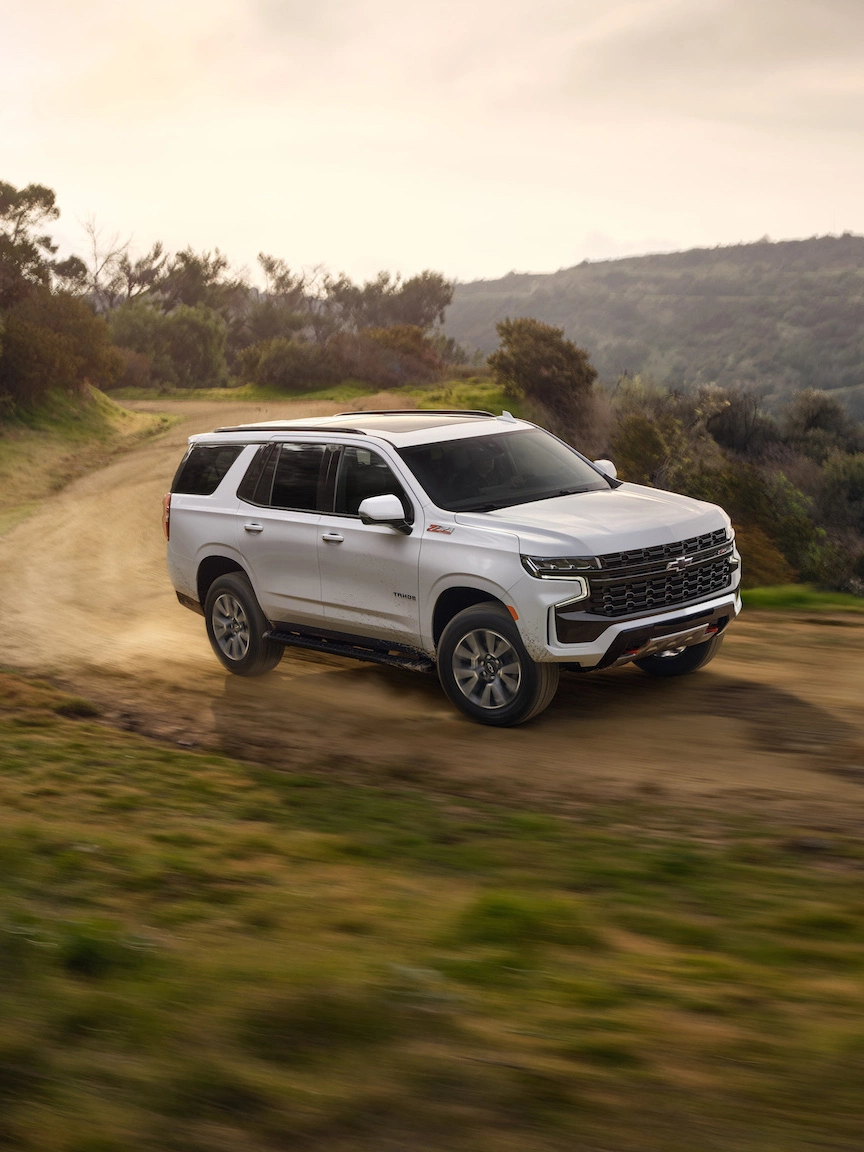
Payload is what your truck carries. Towing capacity is what it can pull. The right truck needs to satisfy both limits with your passengers, tools and trailer loaded—not just match a large advertised towing number. GMC explains that trailer tongue weight also uses part of the truck's payload allowance. See GMC's payload and towing explanation.
Shopping for a truck around Pauls Valley, Norman or Oklahoma City? Start with the job: a weekend boat trip, a camper, a loaded equipment trailer or a full day's service tools. Then compare individual vehicles. At Seth Wadley Chevrolet GMC of Pauls Valley, you can begin with new Silverado 1500 trucks, Silverado HD inventory or used 4x4 trucks.

What counts toward payload?
People in the cab, cargo in the bed and the trailer's downward load on the hitch all matter. Added equipment must also be accounted for when it is not already included in the vehicle's stated capacity. Do not count the same equipment twice. Use the truck's applicable labels and manufacturer instructions rather than assuming every truck with the same model name has the same allowance.
A simple payload example
Imagine a truck with a stated 1,800-pound occupant-and-cargo allowance. Your occupants weigh 450 pounds, your tools and luggage weigh 200 pounds, and a newly added hitch and equipment contribute another 150 pounds not already reflected in that allowance. That leaves 1,000 pounds before adding the trailer's downward load: 1,800 − 450 − 200 − 150 = 1,000.
This is an illustration, not a specification for any vehicle pictured or listed here. It does not establish a safe trailer size. The truck, trailer, axle, tire and hitch limits still need to be checked.
What should you check before towing?
Use the trailer's loaded weight, not simply its empty weight. Compare it with the correct manufacturer tow rating and check the rest of the system. GVWR limits the loaded weight of the individual vehicle. GCWR limits the loaded truck-and-trailer combination. GAWR limits the load on each axle. The receiver, ball mount and other towing components have their own limits; the lowest applicable rating must be respected. A suitable scale can help establish actual loaded weights. CURT explains these ratings and towing-system checks.
For your shopping visit, bring the trailer model, its ratings and loaded-weight information, the number of people who normally ride with you, and a list of equipment you intend to carry. Ask to review the vehicle-specific information before deciding.
Should you shop a 1500, a heavy-duty truck or a used pickup?
For a daily driver that also tows: Put your normal commute, parking needs and actual trailer requirements on the same checklist. Compare a Chevrolet Silverado 1500 with a GMC Sierra 1500, then check the exact configuration that interests you.
For a demanding hauling or towing job: Include Silverado 2500HD and Silverado 3500HD candidates in your comparison. Bring a written workload so the discussion stays focused on the completed truck and its ratings rather than an engine preference alone.
For a used-truck purchase: Compare used 4x4 trucks using the same workload. Ask about the specific vehicle's configuration, inspection information, service records that are available and any modifications. A used truck deserves the same rating checks as a new one; a familiar trim name is not a substitute.
Buying an upfitted or custom truck? Review the finished vehicle
Make your intended use part of the customization conversation. Ask for the installed-equipment list and review how the finished truck suits your trailer, passengers and cargo. Do not treat a lift, larger tires or a performance package as proof of a higher manufacturer weight rating. Keep appearance, driving preferences and verified working capability as separate decisions.
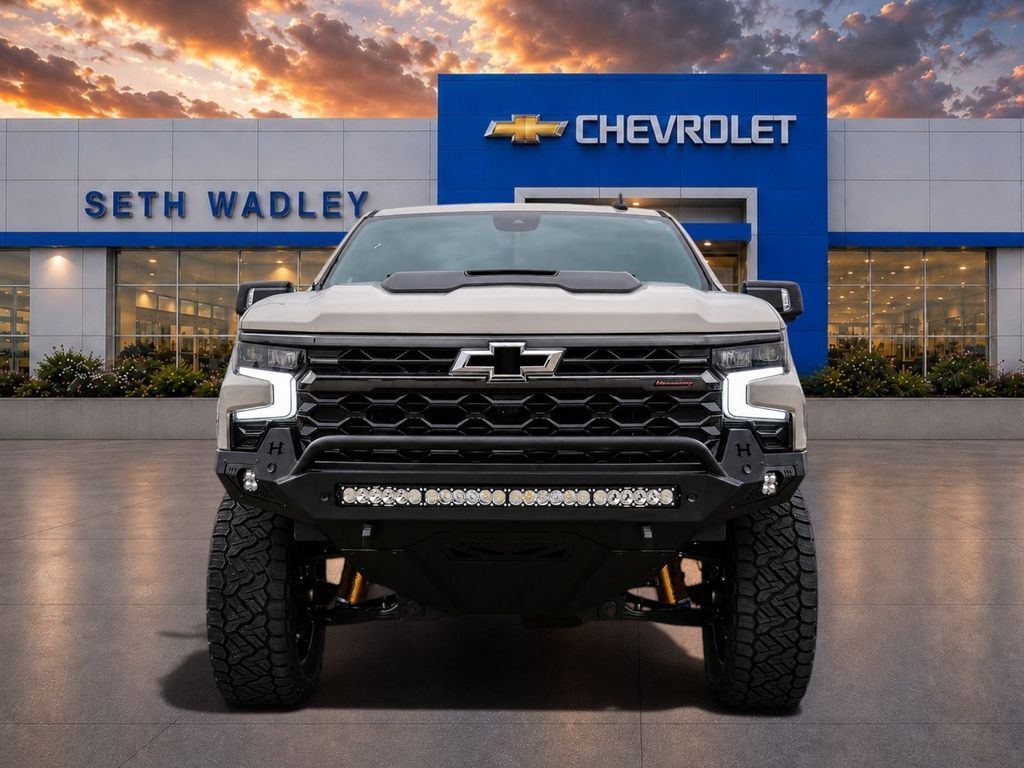
Explore Seth Wadley custom inventory and Black Widow trucks. Ask about the vehicle you are considering rather than applying another truck's advertised specifications to it.
For commercial buyers, start with a daily-workload worksheet
Before comparing work trucks, write down your crew, equipment, materials, storage needs and trailer requirements. Include the body you plan to use and the tools that will remain aboard every day. Our suggested approach is to compare complete working configurations—not an empty chassis against a truck already carrying its body and equipment.
Start with work-vehicle inventory and service and utility-body trucks. Confirm each listing's equipment, ownership location and availability with the dealership. Website inventory may include vehicles at other group locations.
Common truck-shopping questions
Does trailer tongue weight count against payload?
Yes. The load the trailer places on the truck uses available payload. It must also fit the applicable hitch and vehicle limits. GMC covers tongue weight here.
Can I choose a truck using the maximum tow rating in an advertisement?
Use it as a starting point, not a final match. Review the exact vehicle, its manufacturer documentation and the load you plan to carry. Ask for help resolving any missing information before towing.
What should I send the dealership before I visit?
Send the stock number or VIN of the truck you like, your trailer information, typical passenger load and equipment list. That gives the conversation a practical starting point.
Find a truck for your real workload in Pauls Valley
Browse new inventory, used inventory, custom and upfitted trucks or commercial work vehicles. Then contact Seth Wadley Chevrolet GMC of Pauls Valley with your preferred vehicles and workload. Our recommendation: choose the truck after you understand the job it needs to do.
General shopping guidance, not an individual towing approval. Follow the applicable owner manuals, labels, manufacturer and upfitter instructions, and all equipment limits. Images illustrate dealership vehicles and do not guarantee current stock, equipment on another vehicle or a particular capacity. Editorial reference date: October 10, 2026.
