
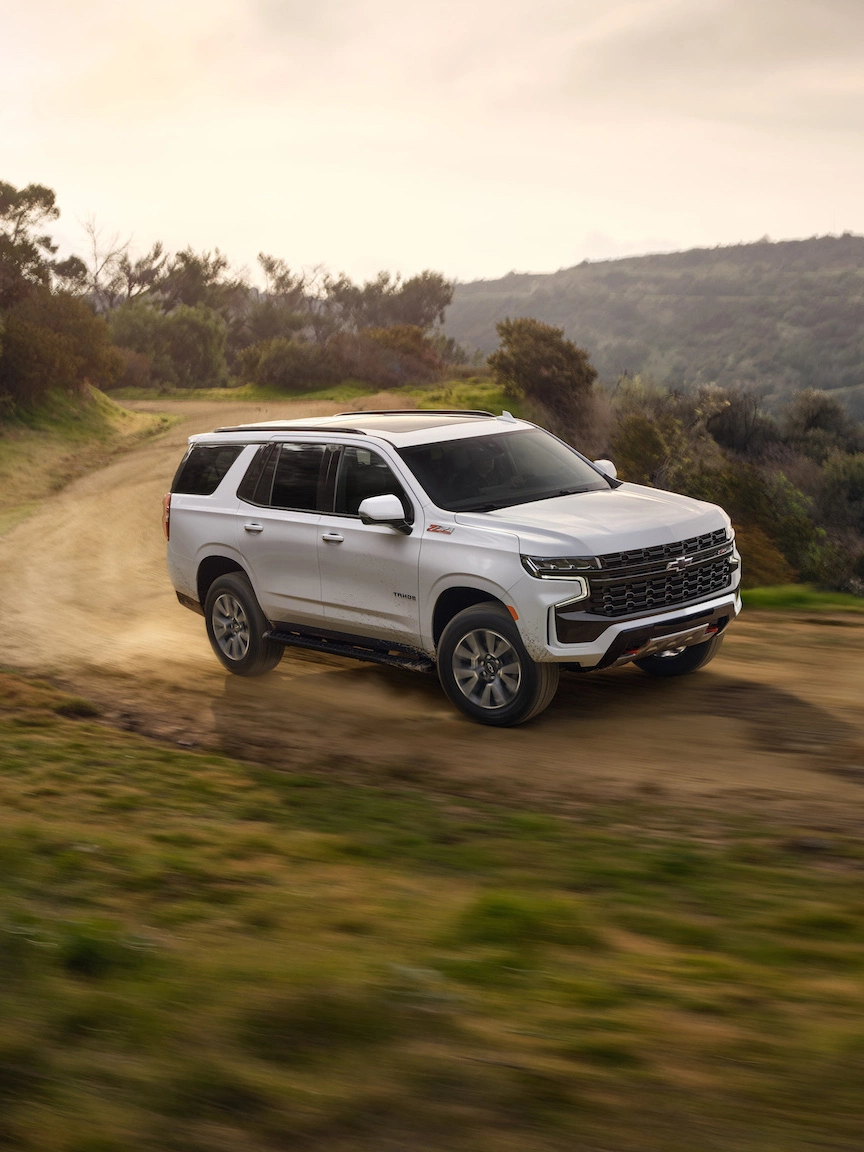
Before buying a Ford Explorer, compare the Acadia with the third row still in use. GMC publishes 23.0 cubic feet behind the third row for the 2027 Acadia; Ford publishes 16.3 for the 2027 Explorer. The difference is 6.7 cubic feet, giving Acadia a measurable advantage in this particular cargo comparison.
At Seth Wadley Chevrolet GMC of Pauls Valley, Oklahoma, we recommend testing that advantage with your actual luggage. Published volume helps build a shortlist, but the family routine determines whether a vehicle fits.

Why the row position matters
The figures come from GMC's 2027 Acadia specifications and Ford's 2027 Explorer specifications. Both concern space behind the third row. Neither is a promise that a particular stroller, cooler or kennel will fit.
Keep the same people and luggage in the comparison. A maximum-cargo figure with seats folded would answer a different question from the one a family asks when using every row. This is where the Acadia deserves a closer look for Explorer shoppers.
Test a school-day load and a travel load
First consider everyday backpacks, sports bags or a stroller. Then add the luggage your passengers need for a weekend. With permission, check the actual cargo area without blocking required visibility or interfering with occupants. Follow the vehicle's cargo-securement guidance.
Give the largest rigid item extra attention. Soft bags can move around; a hard cooler or folded stroller may have fewer possible positions. Measure useful floor space and the opening rather than inferring fit from a wide-angle photograph.
Check third-row access before judging comfort
Ask the passengers who will use the back to enter and sit while the vehicle is parked. Compare the number of steps, foot space and whether the seating arrangement works with your normal second-row occupants. Test the configuration you would buy, not a differently equipped display vehicle.
Where child restraints are involved, follow the vehicle and restraint manufacturers' instructions and seek qualified installation help as needed. A seating capacity does not establish compatibility with every combination of child seats.
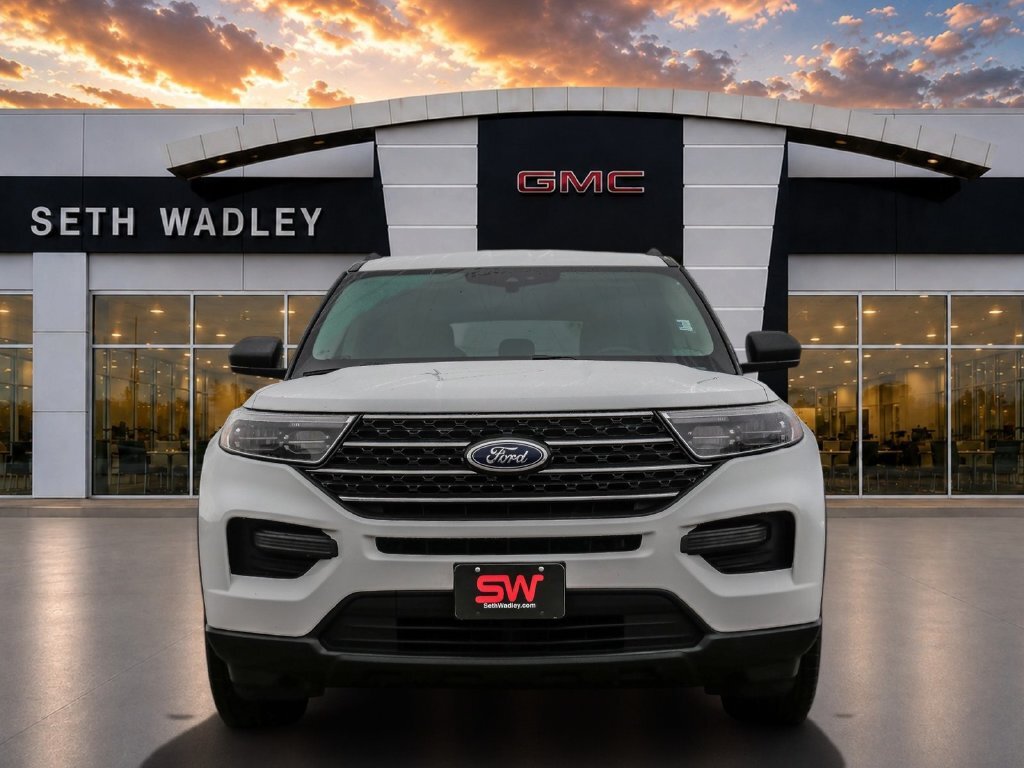
Let the rest of the comparison stand on its own
Keep cargo, driving comfort, equipment and parking on separate scorecard lines. The Acadia's published cargo advantage is a reason to investigate it, not a claim that Explorer has no strengths. Identify what matters most to your household and compare those categories directly.
During a normal test drive, consider visibility and seat support. Have the controls and available features explained while parked. Compare the written equipment lists so an option on one vehicle is not assumed to be standard across the lineup.
Prepare an efficient out-of-town visit
Oklahoma and South Texas shoppers can send a preferred stock number and luggage dimensions before traveling to Pauls Valley. Confirm current location, availability and whether you can test the loading arrangement. A website listing alone does not establish that a vehicle is ready at a specific rooftop.
Used SUVs need a separate model-year review. Do not apply 2027 figures to an older Acadia or Explorer. Also request condition information and arrange an appropriate inspection before a used purchase.
Acadia versus Explorer questions
How much larger is Acadia's published third-row cargo figure?
It is 6.7 cubic feet larger in the reviewed 2027 specifications.
Does that make Acadia the better choice for every family?
No. Seat access, driving preferences, equipment and the actual load still matter.
What should I bring to compare cargo?
Your largest everyday item, luggage measurements and the passenger arrangement you require.
Put Acadia on the same test-drive list
Explore Acadia, Traverse and used SUV inventory. Contact our Pauls Valley team for a vehicle-specific comparison.
Reviewed October 10, 2026. Verify the individual vehicle and applicable specifications. Sources are linked in the article.
