
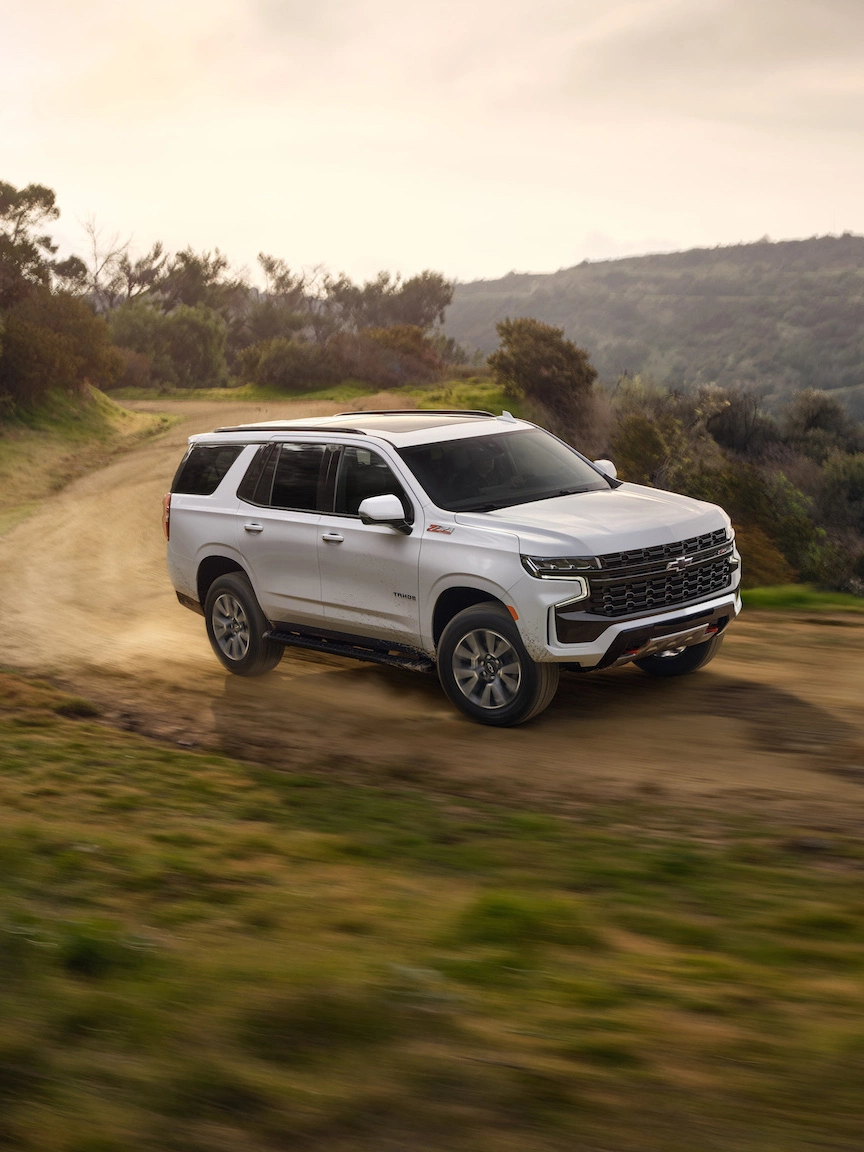
The better family SUV is the one that carries your people and their belongings at the same time, fits your parking spaces, and suits your actual towing needs. Compare a Chevrolet Traverse and Tahoe with the third row in use—not only with every rear seat folded for a maximum-cargo photograph. This checklist is designed for a practical visit to Seth Wadley Chevrolet GMC of Pauls Valley.
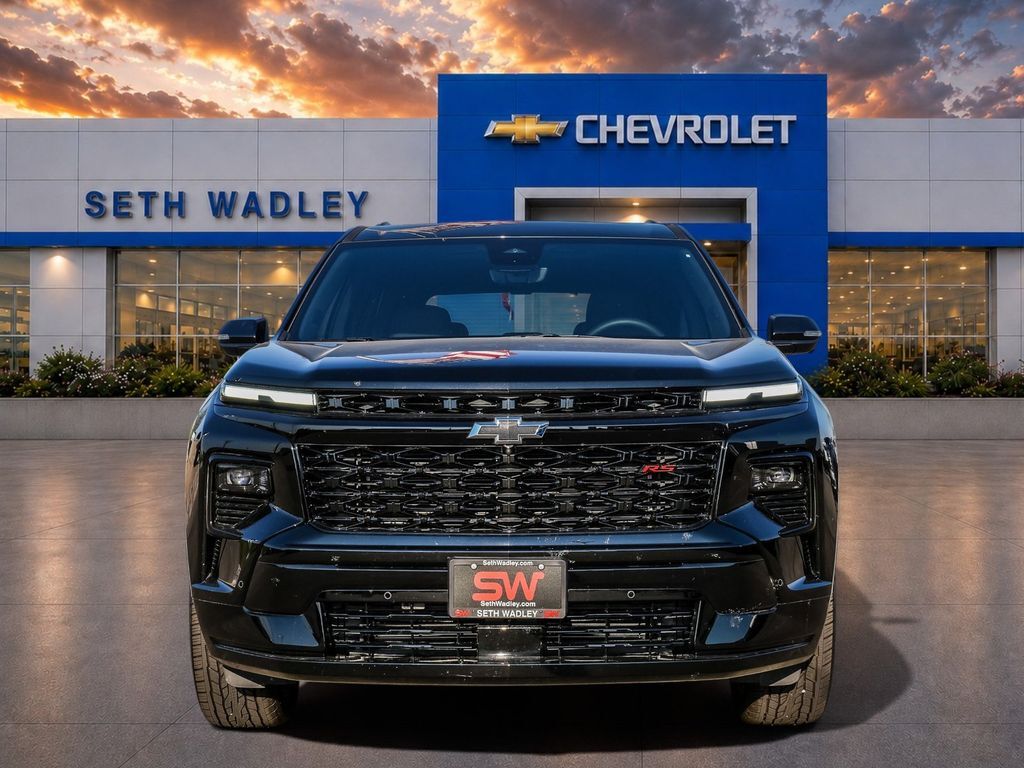
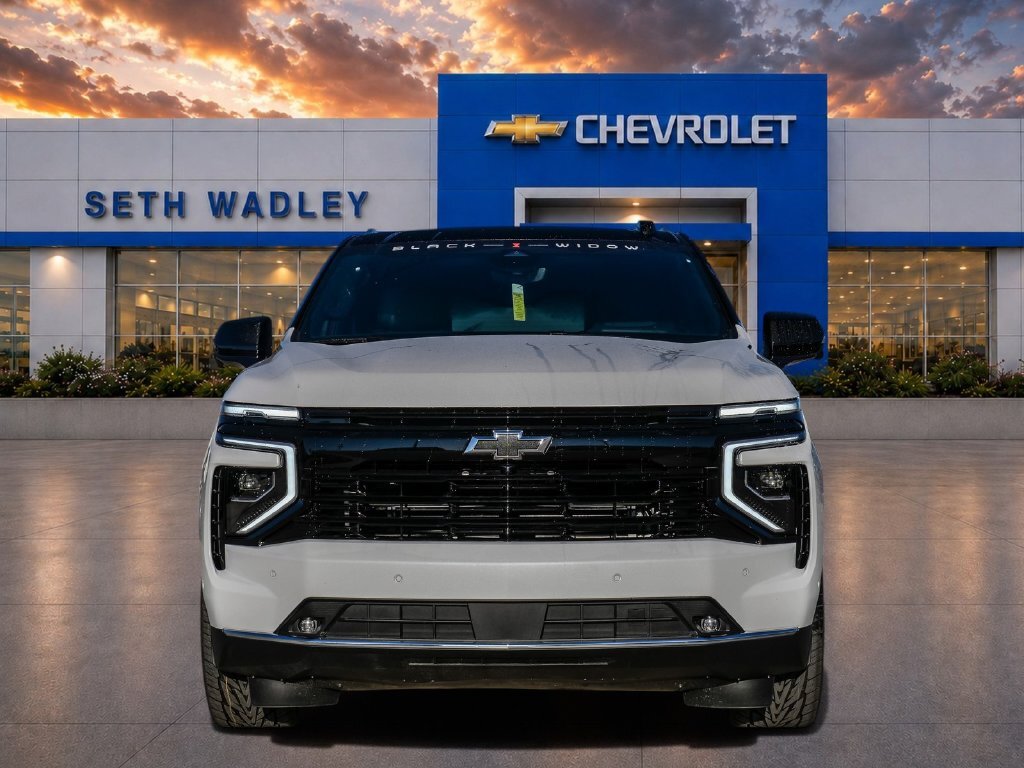
Chevrolet presents the Traverse as a three-row SUV and the Tahoe as a full-size SUV. Both offer different seating and equipment configurations, so the model name alone does not establish the seat count of the vehicle you are considering. Use the current Traverse information and Tahoe information, then verify the selected year and trim.
Build a passenger map before comparing cargo figures
List the people who ride most often and where they would sit. Include adults who occasionally use the third row and any child restraints you need to install. If the third row is used every school day, its access matters differently than it does for an occasional extra passenger.
With permission, bring your own child restraints and follow both their instructions and the vehicle manual. Check the locations of compatible seating positions and anchors rather than assuming every position has identical hardware. NHTSA recommends selecting and installing a restraint that fits both the child and the vehicle. Review NHTSA's child-seat guidance.
Run three different cargo tests
School-day test: Leave every normally occupied seat upright. Load backpacks, a stroller or the items you carry on the daily route. Can passengers reach their seats without moving the cargo?
Weekend test: Add sports bags, a cooler or luggage. Check whether the liftgate closes with the load secured and visibility preserved. A rectangular suitcase and a folded stroller can use space differently even when their volume appears similar.
Large-item test: Fold only the seats you could realistically leave empty. Measure the floor length and opening for the item you actually expect to move. Do not compare one SUV with all rows folded against another with its third row occupied.
Evaluate access, not just how many seats are listed
Try entering the third row from both sides while parked. Check the step-in height, handles, seat-release effort and space around installed restraints. A power-folding feature is useful only when its operation fits your routine and the specific vehicle includes it.
Seat each passenger normally, then adjust the second row to a position that works for everyone. Check rear ventilation, charging access and places for small items. Our recommendation is to score access and comfort separately: a seat can be comfortable once occupied but inconvenient to reach several times a day.
Measure the garage and practice ordinary parking
Record your garage opening, usable depth and space beside the parked vehicle. Leave room to walk around it, open the doors and use the liftgate. Bring those measurements to the dealership; brochure dimensions alone do not include the clutter or storage cabinets in your garage.
On a suitable test-drive route, compare your view over the hood, mirror use and the effort required to place the vehicle in a parking space. Demonstrate camera functions while parked or in a safe controlled setting. Driver-assistance features support the driver; they do not take over responsibility for checking surroundings.
Keep towing separate from the seating decision
If you tow, bring the loaded trailer information and the number of passengers who will travel with it. Ask for a vehicle-specific match that accounts for passengers, cargo and hitch load. Do not select a family SUV from a headline tow rating and then add the family afterward.
Our payload-versus-towing guide explains why carried weight and trailer weight need separate attention. The applicable manuals and ratings still control the final match.
Questions before choosing
Is a Tahoe automatically better for a large family?
No. Passenger layout, loading needs, parking and the particular vehicle's equipment determine the better fit. Compare both with your family worksheet instead of choosing from exterior size alone.
Should I compare used examples too?
Yes, when they meet your needs. Our used three-row SUV selection provides another starting point. Inspect seat mechanisms, restraints, cargo trim and the vehicle's overall condition before deciding.
How do I arrange a useful side-by-side visit?
Choose candidates from Traverse and Tahoe inventory. Send their stock numbers and your seating requirements through our contact page; confirm location and availability before traveling.
Buying-guide reference date: October 10, 2026. Verify the year, configuration and availability of each vehicle. Website inventory may include vehicles at other group locations.
