
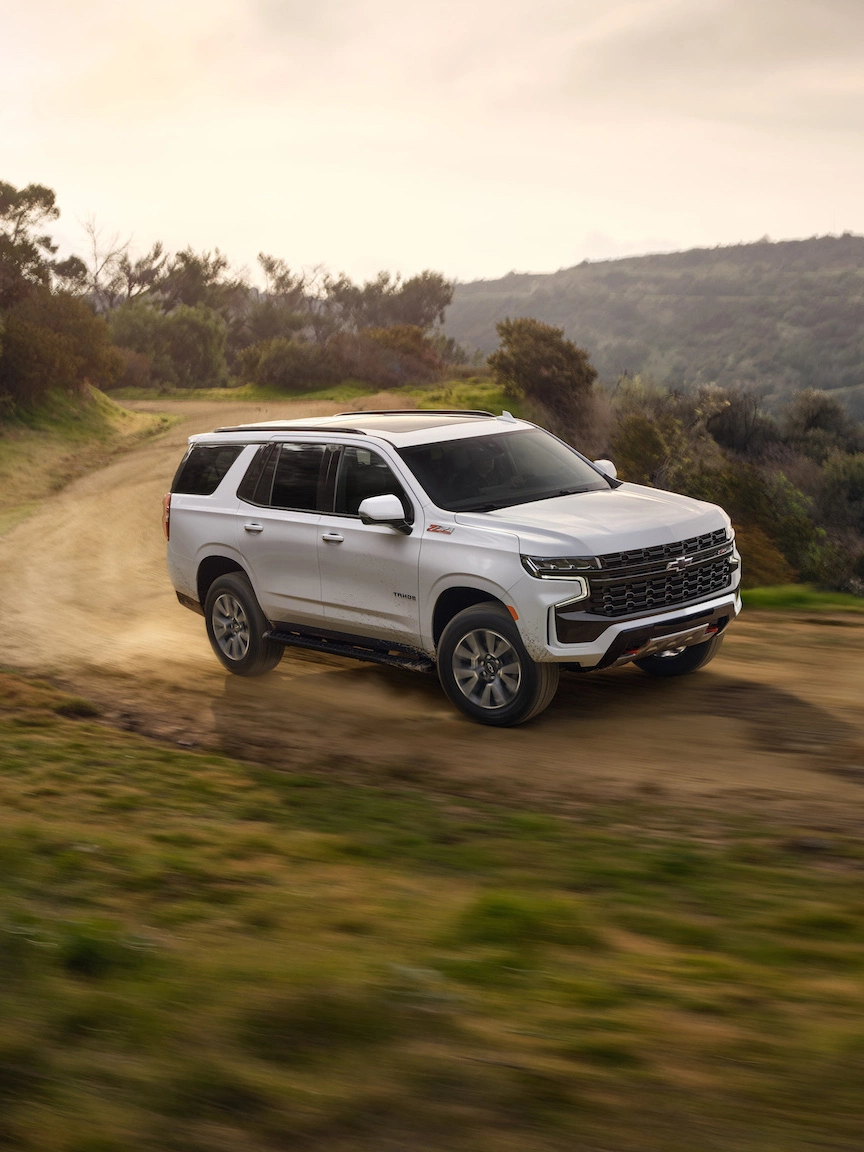
A Black Widow Silverado and a factory-configured Silverado should be compared as two complete vehicles, not simply as a lifted truck and a lower-priced alternative. Start with the base truck's year and trim, identify the conversion's actual equipment, and decide whether the finished vehicle fits your daily driving, parking and hauling needs.
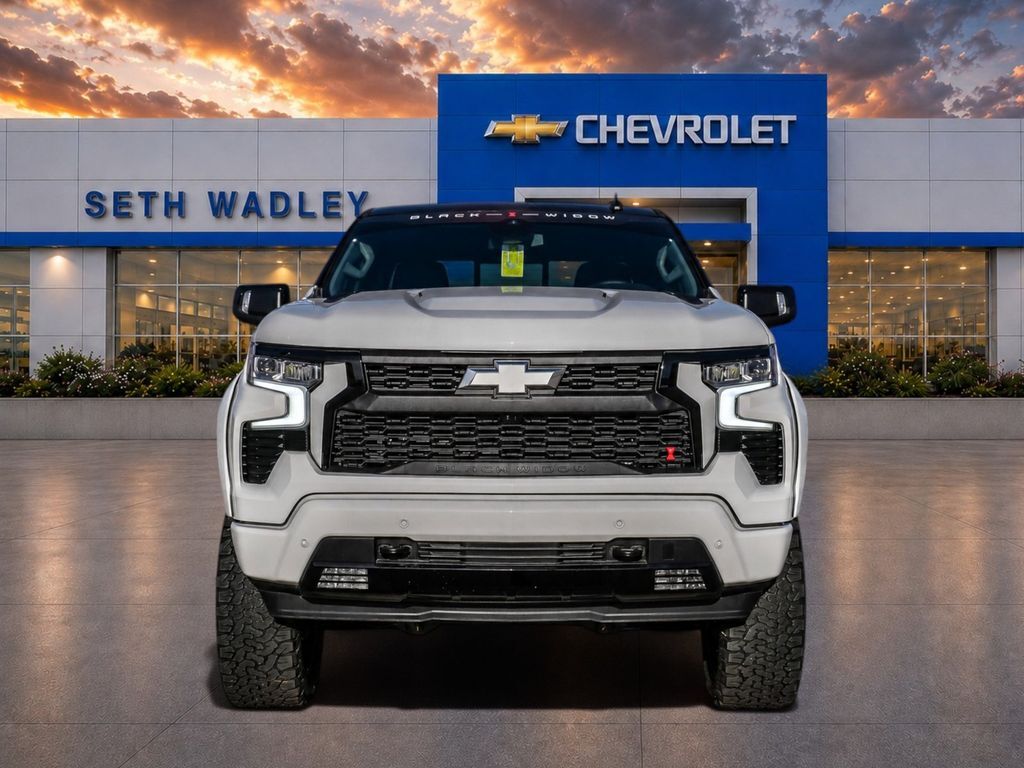
The manufacturer's Black Widow Silverado 1500 page describes a coordinated conversion with suspension, wheel, tire and appearance components, along with available options. That is a starting point for questions—not proof that every truck carrying Black Widow branding has identical equipment. Request the build information for the specific stock number.
Make the base-truck comparison fair
Record model year, engine, drivetrain, cab, bed and factory trim for both candidates. Then list factory options separately from conversion equipment. Comparing a higher-trim converted truck with a differently equipped factory truck can make the package seem to explain differences that actually come from the underlying vehicles.
Ask for a written equipment breakdown and purchase quote. Identify what is included, what is optional and whether any displayed accessories are excluded. Do not assign an arbitrary dollar value to every visual difference; compare the complete vehicles you would actually buy.
Measure the places the finished truck needs to go
Check garage opening height, usable depth, parking width and the clearance along your normal route. Measure the finished vehicle rather than adding a stated lift height to a brochure dimension. Tires, roof equipment and other changes can make that shortcut misleading.
With the vehicle parked, test entry and exit, the step arrangement and reaching into the bed. Ask every regular driver to try the seating position and mirrors. A truck that looks right in a photo can still be inconvenient at your house or worksite.
Review the tire and wheel package as an ownership item
Write down the installed tire size, wheel specifications and spare arrangement. Ask what replacement tires would cost in the type and rating appropriate for the truck. Have any tire-fitment, pressure or load questions answered using the vehicle and upfitter instructions rather than appearance alone.
Our recommendation is to price a complete replacement set before choosing the package. That is a planning exercise, not a prediction that the truck will need tires soon. NHTSA's tire guidance is a useful reference for condition and manufacturer recommendations.

Test the driving experience without assuming the result
Use an agreed route that represents your ordinary driving. Note ride comfort, cabin noise, steering feel, visibility and parking effort. Try the factory-configured candidate on the same route when possible. Describe differences you actually experience instead of assuming that all modified trucks ride alike.
If anything feels unusual, have the dealership or a qualified technician explain it before purchasing. A distinctive appearance should not make you overlook a concern that would matter on any other vehicle.
Separate appearance from towing and payload
Do not treat a lift, larger tires or a performance modification as evidence of a higher manufacturer weight rating. Review the completed truck's applicable labels, installed equipment and intended trailer. Ask how added equipment has been accounted for when evaluating the load you plan to carry.
The payload-versus-towing guide provides a starting checklist. The actual vehicle and equipment instructions—not the conversion name—control the final match.
Read the paperwork before choosing
Request the conversion documentation, operating and maintenance instructions, and the written terms of any coverage represented in the transaction. Ask who handles questions about the factory vehicle versus the conversion and how a service concern is routed. Do not assume that similarly named packages have identical terms.
For a used converted truck, add an independent inspection and any available installation and service records. Treat missing documentation as an open question rather than silently assuming the current configuration matches the original build.
Common Black Widow shopping questions
Is Black Widow just a trim badge?
Evaluate it as a conversion package on a particular base vehicle. Ask for the installed-equipment list; branding alone does not document every part.
Will every Black Widow fit the same garage?
Do not assume that. Measure the particular truck and your garage, including roof equipment and the clearance needed to open doors and move around it.
Where can I compare options?
Browse Black Widow inventory and Silverado 1500 inventory. Contact our Pauls Valley team with the stock numbers to confirm equipment, location and availability.
Reference date: October 10, 2026. General buying guidance, not engineering, installation or individual towing approval. Follow applicable manufacturer and upfitter instructions. Inventory and equipment change; listings may include other group locations.
