
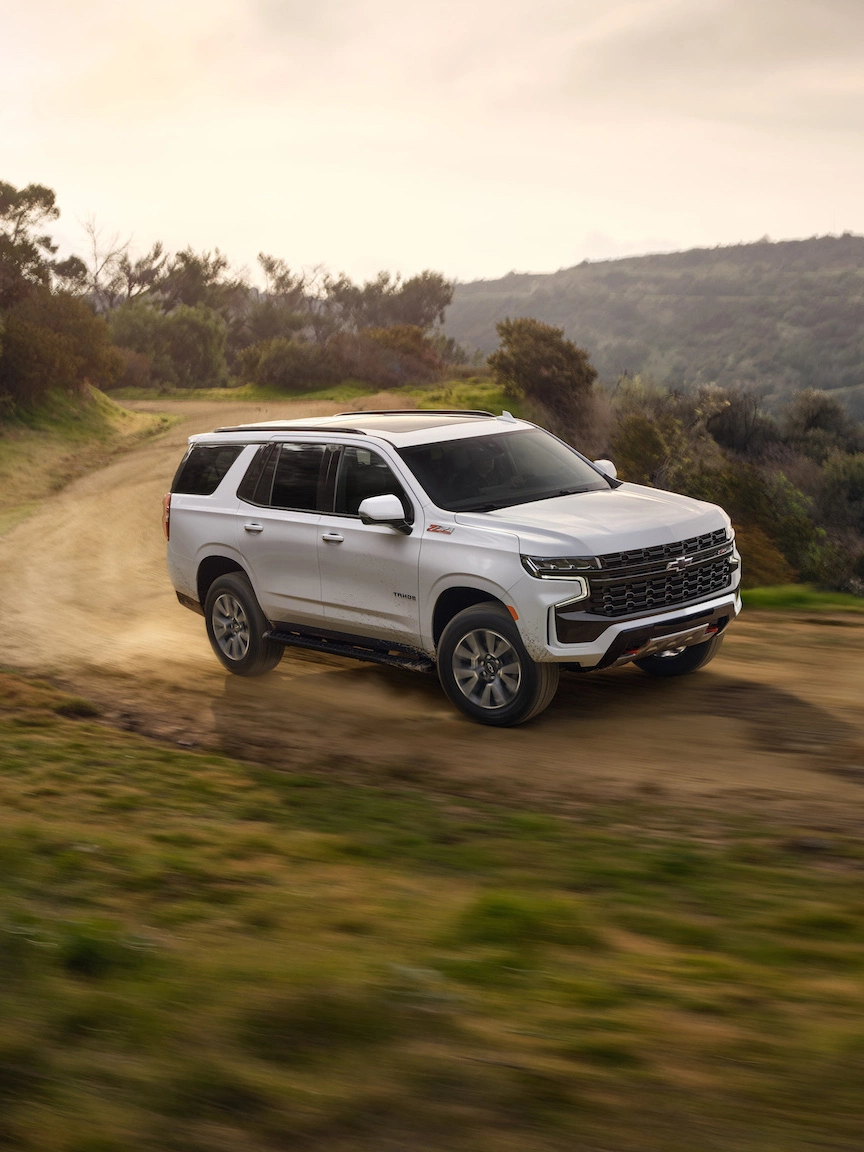
Before buying an Equinox EV or Blazer EV, decide where you will charge, how much energy you need overnight and whether the electrical installation suits that job. An EV's advertised range does not tell you whether your existing outlet can conveniently replace a full day's driving.
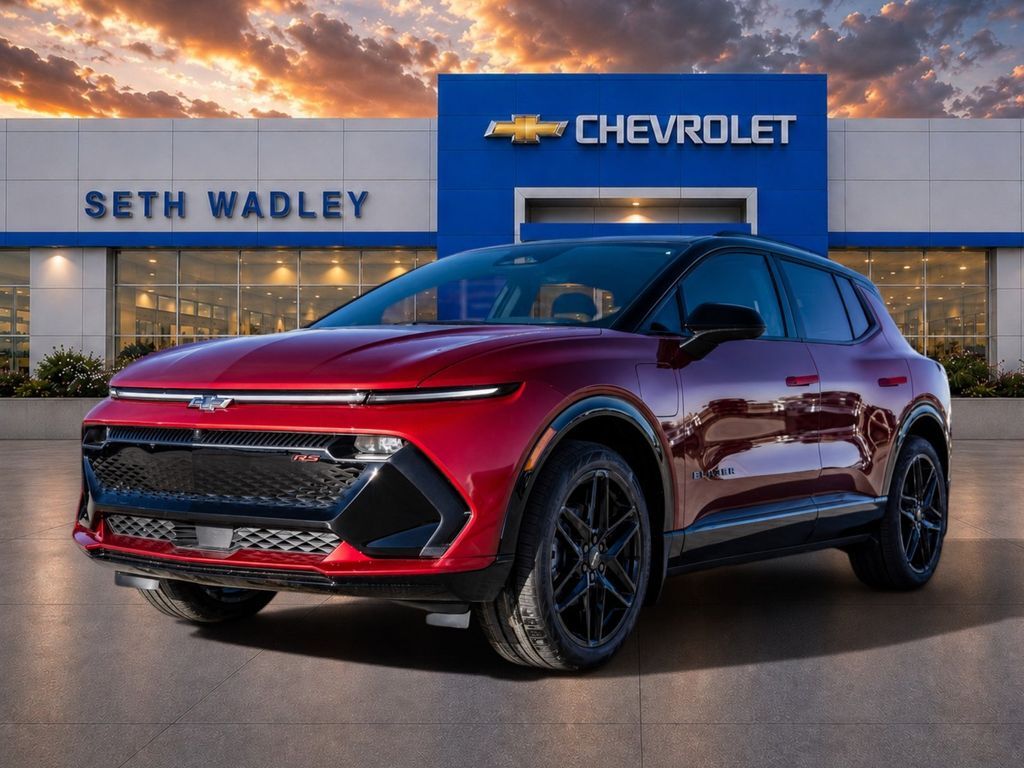
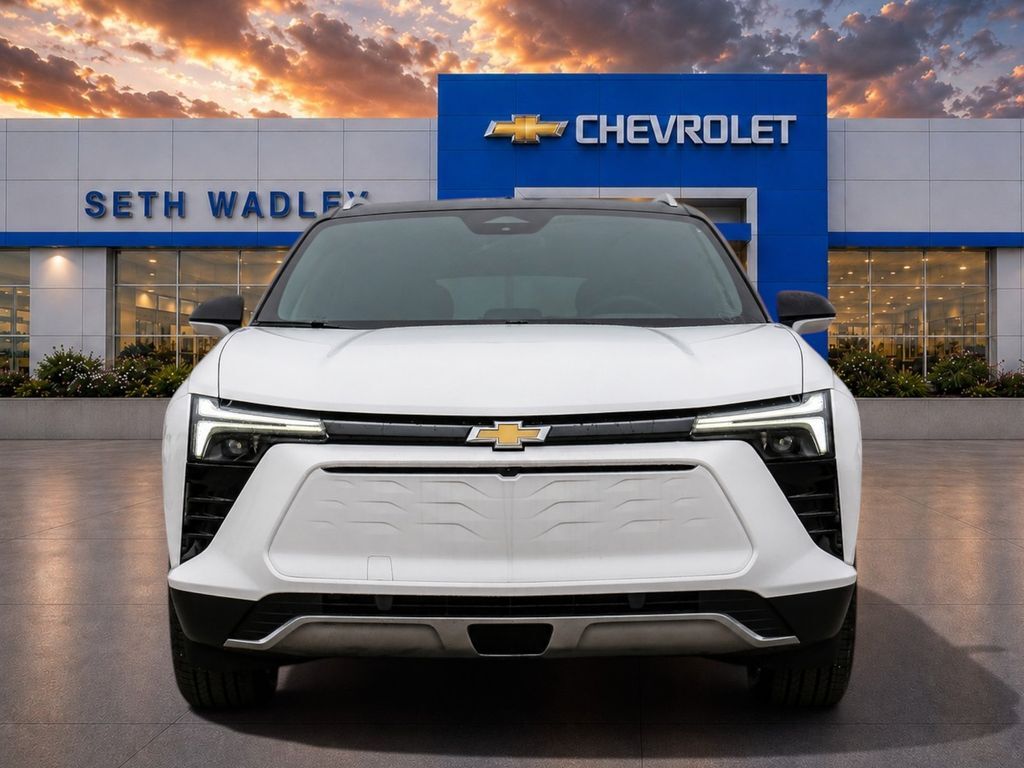
At Seth Wadley Chevrolet GMC in Pauls Valley, the inventory reviewed for this guide included an Equinox EV and a Blazer EV. Equipment differs by vehicle and model year, so confirm the charging cord, connector and supported charging rates on the exact stock number. Do not assume every vehicle includes the same cable or home installation.
Start with daily miles, not battery size alone
Write down ordinary daily mileage, your longest recurring trip and the hours the vehicle is parked near a usable power supply. Then estimate energy needed with consumption appropriate to your configuration and route. Heating, cooling, speed, weather and driving conditions can change consumption; allow flexibility rather than planning to the last mile.
As a hypothetical planning example, 40 miles at 0.32 kilowatt-hours per mile measured at the wall requires 12.8 kWh. Replacing that energy at an assumed steady 1.2 kW would take about 10.7 hours; at an assumed steady 7.2 kW it would take about 1.8 hours. These are arithmetic examples, not tested charging times for either pictured vehicle. Real charging power and losses vary.
Level 1 and Level 2 serve different routines
Chevrolet's home-charging guide explains that Level 1 uses a suitable 120-volt outlet, while Level 2 uses a suitable 240-volt installation. Level 1 can be useful for modest daily needs with enough parked time. Level 2 is worth evaluating when your routine needs more energy replaced in a shorter window.
The equipment rating is not automatically the power the vehicle receives. The electrical supply, charging equipment and vehicle acceptance rate all matter. Compare those limits together before paying for a higher-output unit.
Have a qualified electrician assess the installation
Ask for a written assessment of available capacity, the proposed circuit or hardwired connection, required permits, installation location and equipment suitability. Include the distance from the electrical panel and whether charging will be indoors or outdoors. Two homes can need very different work, so a generic installation price is not a reliable quote.
Chevrolet's charging instructions warn against using extension cords, power strips and splitters for vehicle charging. Do not improvise electrical connections or assume an old outlet is suitable simply because the plug fits. Follow the instructions for both the vehicle and charging equipment.
Check parking and connector compatibility
Measure cable reach to the actual vehicle's charge port while keeping access clear and avoiding trip hazards or strain. Ask whether the equipment will serve the vehicle you are buying and any second EV you expect to add. Connector standards and approved adapters are not interchangeable instructions; use the exact vehicle's guidance.
For a rental or shared parking space, get the property owner's approval and determine who controls installation, billing and access. An EV may still be practical without home charging, but verify dependable alternatives and their prices before committing.
Build a backup plan
Identify a second charging location that fits your routes, confirm connector compatibility, and check the provider's current access and billing rules. Test the relevant apps and accounts before a long trip. Do not treat a map pin as proof a station is working or open to every driver.
Will buying an EV include a free charger or installation?
Only if the specific purchase offer says so and you qualify. Ask for written eligibility, equipment and installation scope. No such offer is promised by this guide.
Is the fastest home unit always the best choice?
No. Select equipment that matches the vehicle, electrical capacity and your actual overnight needs.
What should I bring to an EV shopping appointment?
Your mileage routine, parking photos, available electrician assessment and questions about supplied charging equipment. Browse our EV inventory and contact the dealership with a stock number. Reviewed October 10, 2026.
