
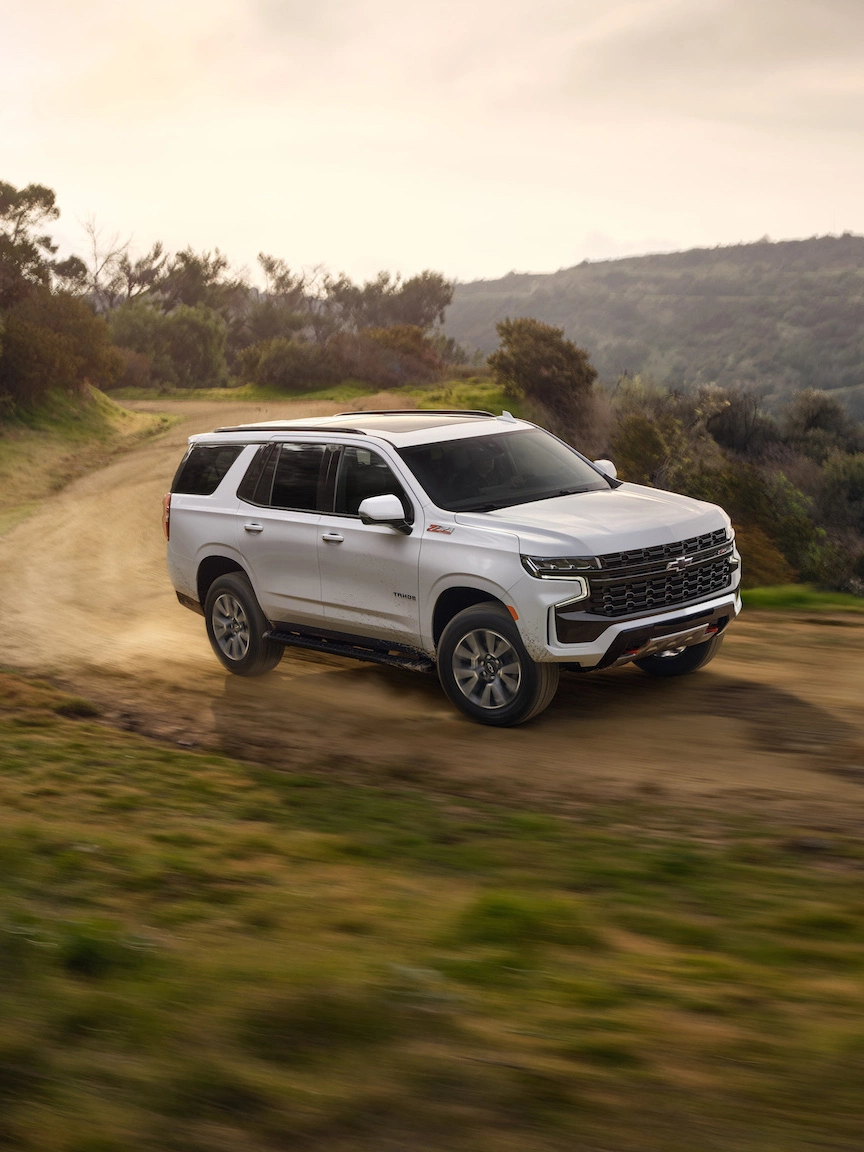
Choose a gasoline or diesel Silverado HD by matching a specific truck to your workload and comparing the complete ownership budget. The more powerful engine is not automatically the best purchase for every driver. The right answer depends on the trailer, equipment, passengers, trip patterns and service needs you actually have.
For a verified starting point, Chevrolet lists two 2026 Silverado HD engines: a 6.6L gasoline V8 rated at 401 horsepower and 464 lb-ft of torque, and an available Duramax 6.6L turbo-diesel V8 rated at 470 horsepower and 975 lb-ft. Both are paired with a 10-speed Allison automatic transmission. These engine figures are not the towing or payload rating of every truck. Review Chevrolet's Silverado HD specifications.

Separate three different jobs on your worksheet
The trailer job: Record the loaded trailer weight, hitch type and the downward load carried by the truck. Use real information rather than a guess based on the trailer's empty weight. Include the people and supplies who travel with it.
The carrying job: List tools, materials, a toolbox, a service body or any other equipment you expect to keep aboard. A truck can be asked to carry substantial weight even when no trailer is attached.
The everyday job: Estimate your annual mileage and describe a typical week. Distinguish frequent long trips from repeated short journeys, and note how often the truck actually works under load. That gives the dealership a more useful brief than saying you need the biggest engine.
Compare two actual vehicles before comparing their engines
Put the stock numbers, cab, bed, drive type, installed equipment and vehicle-specific ratings side by side. Comparing a lightly equipped gas truck with a heavily optioned diesel can mix several differences into one supposed engine comparison.
Ask for the applicable labels and manufacturer information for each candidate. Confirm payload, axle and hitch limits as well as towing. Our payload and towing guide explains the separate questions. An engine's torque figure does not override another component's rating.

Build a cost comparison without assuming diesel will pay for itself
Request written purchase quotes with comparable equipment. Then ask for the service schedules applicable to the model years and engines. Estimate fuel spending using your own annual mileage, realistic consumption assumptions and the fuel prices you expect to pay. Treat those figures as scenarios, not promises.
A simple worksheet has purchase cost, anticipated fuel, scheduled maintenance, tires, insurance and any required equipment. Compare over the same ownership period. If you expect to replace the truck in three years, do not justify the decision with savings that would require ten years to accumulate. Resale value is uncertain and should not be treated as guaranteed.
Ask the service department about your driving pattern
Describe your actual use and ask what each powertrain needs under those conditions. Review the applicable fluid requirements, maintenance intervals and any diesel aftertreatment instructions with the correct owner's manual. Do not rely on a universal maintenance schedule copied from another model year.
For a used truck, add available service records and a pre-purchase inspection to the comparison. Ask what work is documented, what is merely reported, and what remains unknown. A favorable inspection should answer specific questions rather than substitute for them.
Test-drive for the job you do most often
Evaluate seat comfort, visibility, low-speed maneuvering and how the truck feels on the type of route you regularly travel. Do not attempt to prove maximum towing ability during an ordinary dealership test drive. Any loaded demonstration requires an appropriately matched setup, permission and safe conditions.
Browse Silverado 2500HD, Silverado 3500HD and used HD inventory. Ask which candidates fit your worksheet before focusing on trim or appearance.
Common gas-versus-diesel questions
Is diesel always the better towing choice?
No blanket answer fits every trailer, truck and ownership plan. Compare the specific ratings and how frequently you tow, then decide whether the diesel configuration's advantages matter for your use.
Does the engine choice determine payload by itself?
No. Use the actual vehicle's applicable capacity information, including its configuration and equipment. Do not borrow a payload figure from another cab, trim or truck shown in an advertisement.
What should I bring to the dealership?
Bring trailer information, your normal passenger and equipment load, and estimated annual mileage. Send our Pauls Valley team your workload and the stock numbers you are considering so we can confirm availability and discuss a practical comparison.
Reference date: October 10, 2026. General buying guidance, not a mechanical inspection or individual towing approval. Inventory and equipment change; website listings may include other group locations.
