

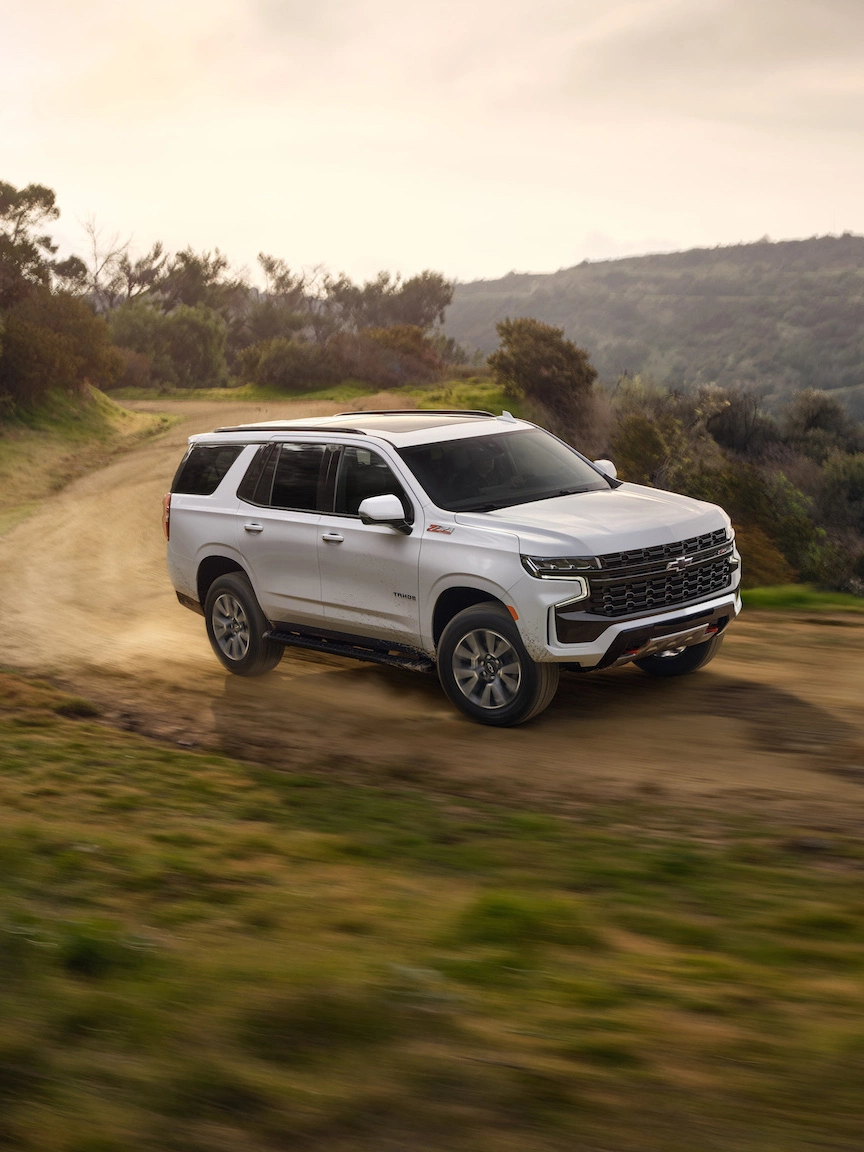
A used three-row SUV should pass two tests: it must fit your household, and its actual condition must justify the purchase. Counting seat belts or reading a maximum cargo figure is not enough. Test the seats, access and loading arrangement you will use, then review the vehicle's history and inspection findings.
Our recommendation for Pauls Valley families is to begin with a short list from used three-row SUV inventory and bring the items that normally travel with you. A stroller, sports bag or folded mobility aid can reveal a fit problem more clearly than comparing photographs.
Confirm the exact seating configuration
Ask for photos showing all rows and the specific seating arrangement. The same model can be offered with different second-row layouts, and a used vehicle's installed equipment deserves its own check. Write down how many people normally ride and which seats they would use.
Position the front seats normally before testing the rows behind them. Check the path to the third row with the second row in its realistic position. An adult who uses the back row only occasionally should still try it before you decide the seat will work.
Inspect the mechanisms, not only the upholstery
With the vehicle parked, have the seller demonstrate the intended folding, sliding and reclining functions. Follow the manual and keep hands and belongings clear of moving parts. Check that seats return to their proper positions and have a qualified person investigate any latch or restraint concern.
Look at seat belts, buckles, head restraints and trim around frequently used release handles. Note missing pieces or operation that differs between sides. A stain may be cosmetic; a problem with a seat's restraint or locking function requires a different level of attention. Do not attempt to repair or improvise a restraint system during your visit.
Bring the child restraints you actually use
Check compatibility using both the restraint instructions and the vehicle manual. Do not assume every seating position provides the same anchors or that a wide bench guarantees a suitable three-across arrangement. NHTSA's guidance emphasizes selecting a restraint that fits the child and the vehicle and installing it correctly. Review the official child-seat guidance.
After a permitted test installation, check how remaining passengers reach their seats. Avoid treating a convenient access maneuver as acceptable unless it follows the applicable instructions.
Evaluate cargo with passengers aboard
Perform one test with every routinely used seat upright, then a second with only the seats you could actually leave empty folded. Try your everyday cargo rather than stacking imaginary luggage into a quoted maximum volume. Check the liftgate opening, loading height and the space occupied by any included cargo cover.
For sports weekends or trips outside Pauls Valley, write down which items must fit inside and how they will be secured. If the vehicle only meets your needs after removing a required seat from service, it is the wrong layout for that particular trip.
Review comfort and equipment across all rows
Test rear ventilation, accessible controls, charging ports and lighting where fitted. Ask which features are original, which are added and which require a subscription or separate accessory. Do not assume a feature advertised on the latest model exists on an older used example.
Check visibility, parking comfort and garage fit on an agreed route. Repeat your evaluation in another candidate before deciding that an inconvenient feature is unavoidable.
Add a documented condition review
Request available service records, a vehicle-history report and a professional pre-purchase inspection. Give the inspector any concerns noticed in the cabin and ask about upcoming maintenance. The FTC notes that vehicle-history information does not replace an independent inspection. See the FTC used-car checklist.
Questions families ask
Is an eight-passenger SUV always better than a seven-passenger SUV?
No. The number matters only alongside your household's needs, access and restraint compatibility. Test the actual layout instead of ranking it from the seat count alone.
Should I compare a used Tahoe with a used Traverse?
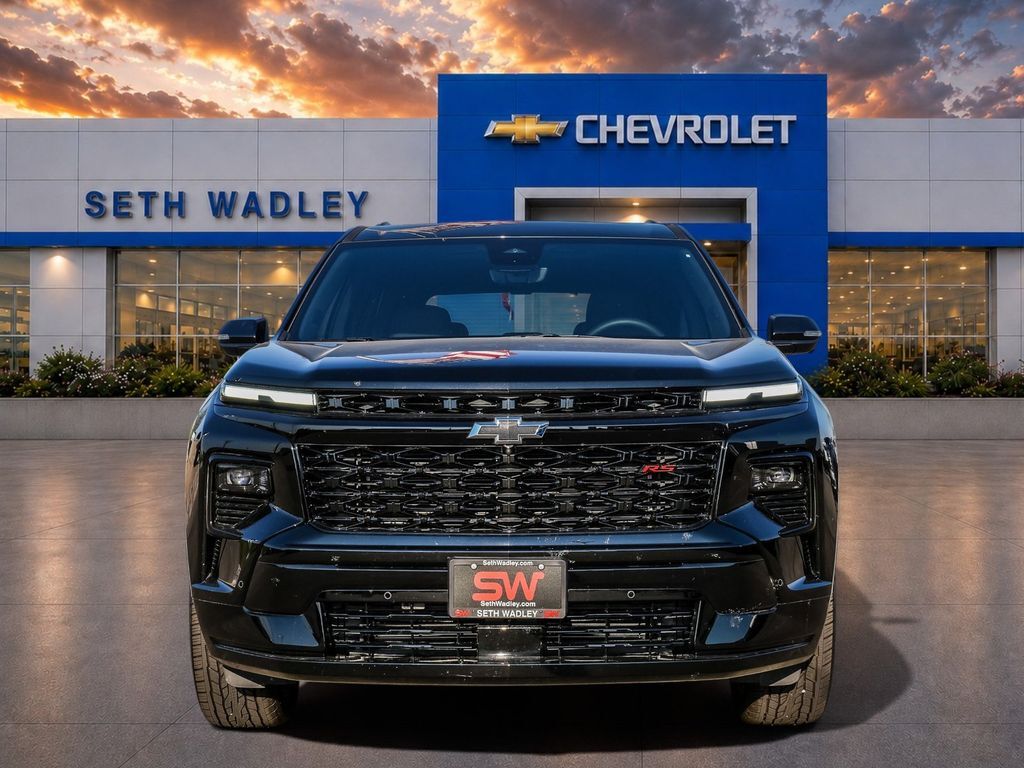
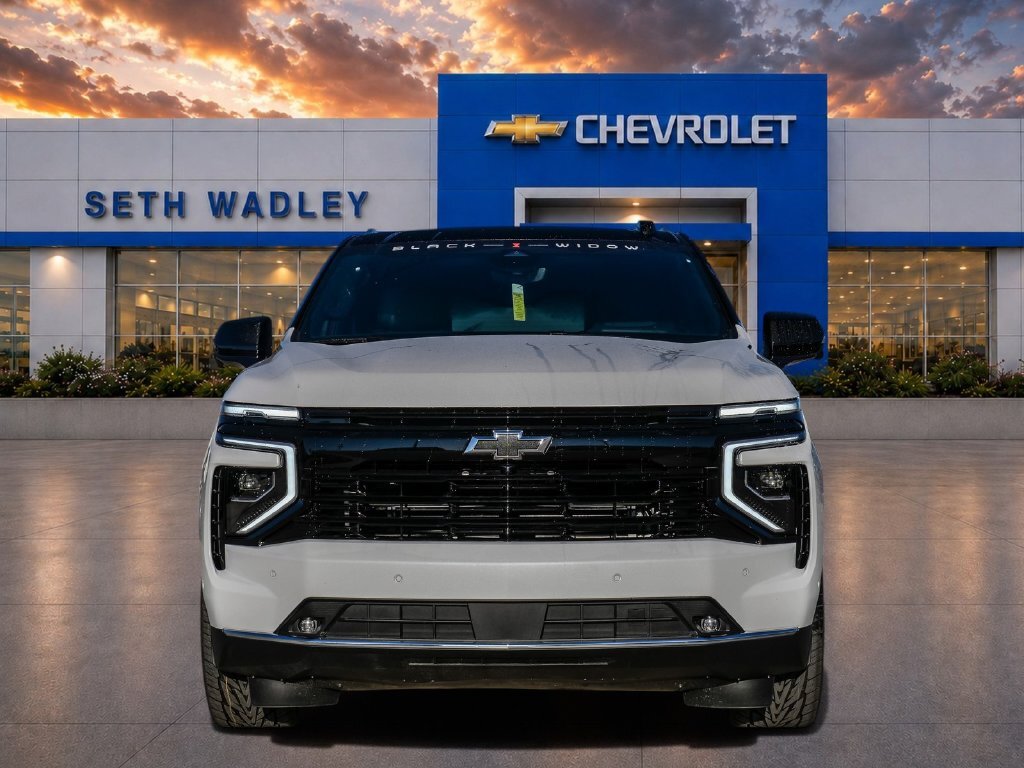
Yes, if both meet your shortlist requirements. Compare their actual model years, configurations, condition and purchase quotes. The two reference photos here do not represent a promise that those exact vehicles are available as used inventory.
How can I avoid a wasted trip?
Send the dealership your seating requirements and selected stock numbers. Ask for cabin photos and confirmation of vehicle location before traveling to Pauls Valley.
Reference date: October 10, 2026. General buying guidance, not a mechanical inspection or individual towing approval. Inventory and equipment change; website listings may include other group locations.
